
Italian Aperitivo at Home: Drinks and Small Bites

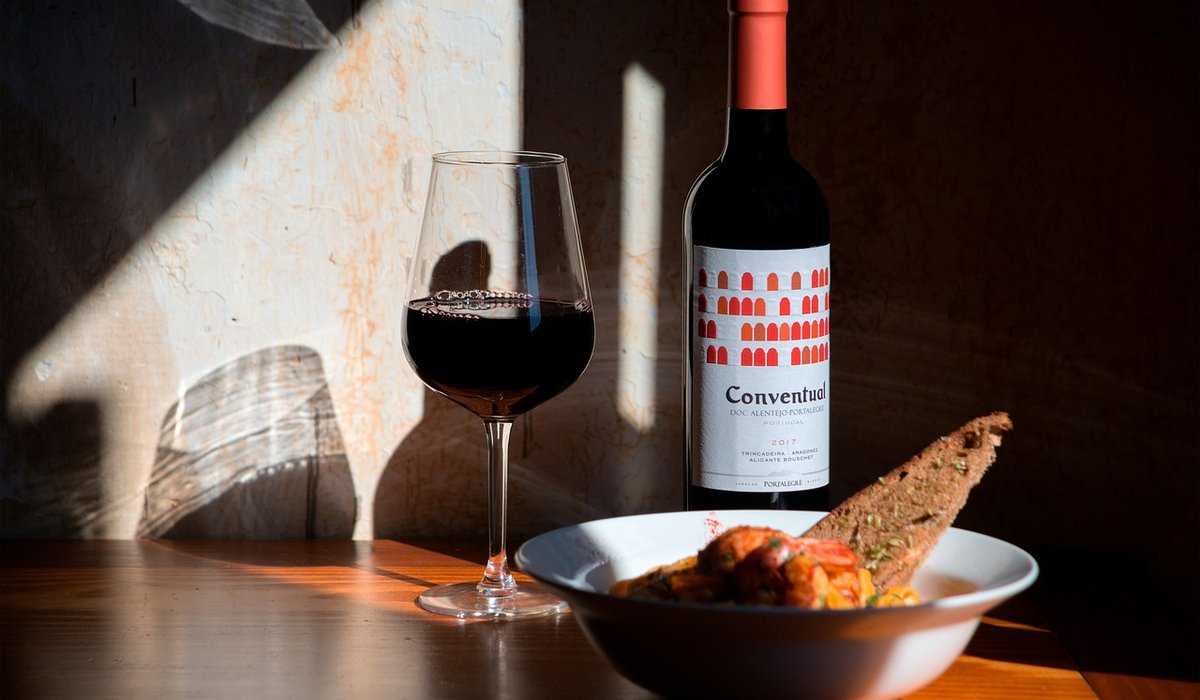
There is a particular hour in Italy, somewhere between six and eight, when the day quietly hands over to the evening. Bars fill, ice clinks, and small plates of salty things appear as if by magic. Nobody calls it dinner. That is the whole point. Aperitivo is a pause, not a meal — a drink sharp enough to wake up your appetite and a bite or two to keep it company. Done at home in a British kitchen, it is one of the most forgiving ways to entertain: no timings to stress about, no main course to ruin, and a guest list that can swell at the last minute without panic.
Getting the spirit of the thing right
The word comes from aperire, to open, and the drinks are chosen accordingly: bitter, herbal, effervescent. They are meant to make you hungry, not fill you up. Italians treat the food as a supporting act — a bowl of olives, a few squares of focaccia, a sliver of cured meat — and they never let it grow into a buffet. If you take one lesson from an Italian bar, take this one: keep the food deliberately modest and the drinks genuinely good. Your guests should arrive at the table for dinner still looking forward to it.
The drinks list, kept short
Three options is plenty, plus something soft. Chill everything in advance and buy more ice than feels sensible.
- Spritz. Three parts chilled prosecco, two parts bitter red aperitivo, one part soda, over plenty of ice in a large wine glass, with a slice of orange. Build it in the glass and stir once.
- Vermouth on ice. A generous pour of good red or white vermouth over a single large cube, a strip of orange peel squeezed over the top. Elegant, low in alcohol, and dangerously easy.
- Something stronger. A negroni or a sbagliato — the same drink made with prosecco instead of gin — for anyone who wants one proper cocktail and then nothing else.
- Soft. Alcohol-free bitter aperitivo with tonic and orange, or a chilled chinotto. Serve it in the same glassware so nobody feels like an afterthought.
The rules of the nibble
Everything on the table should be edible in one or two bites, ideally with one hand, leaving the other free for a glass. Avoid anything that needs a knife, a spoon or a serious napkin. Aim for a mix of salty, crunchy, creamy and slightly acidic, and lean on shop-bought shortcuts without apology — the best aperitivo tables in Italy are mostly assembled, not cooked. A jar of good olives, a packet of taralli, a bag of decent crisps and a wedge of hard cheese will carry you a long way.
A menu that works in a British kitchen
Five items is the sweet spot. Prepare what you can before anyone arrives.
- Olives, warmed. Drain a jar of large green olives, toss with olive oil, strips of orange zest, a pinch of chilli flakes and a few fennel seeds. Warm gently in a pan for two minutes. Serve warm.
- Grissini and prosciutto. Wrap thin breadsticks in a ribbon of prosciutto or bresaola and stand them upright in a glass. Assemble at the last moment so the breadsticks stay crisp.
- Ricotta crostini. Toast small slices of sourdough or focaccia, spread with ricotta, add a little olive oil, lemon zest, black pepper and a few rocket leaves.
- Pecorino with honey. Cubes of pecorino romano or aged sheep's cheese with a small dish of runny honey and a scatter of walnuts.
- Something warm. Blistered padron peppers with flaky salt, or a tray of small mozzarella bocconcini wrapped in basil and prosciutto and warmed through for five minutes.
Setting the mood without effort
Aperitivo is atmosphere as much as menu. Clear the table of anything that is not part of the drinks and nibbles, lower the lights, and put the food on small plates — saucers rather than dinner plates, so people take a little at a time. Have the first drinks poured before guests arrive, and keep a jug of iced water and a bowl of ice within reach. Music low enough to talk over. Most importantly, decide in advance that this is not dinner. If you want something more substantial later, order in or move to the table; do not let the nibbles quietly become a buffet, or you lose the light, bright pleasure of the whole ritual.
Where to go and taste it properly
If the habit sticks, northern Italy is where to deepen it. In Venice and Padua, the spritz is a civic institution; in Turin, the grand cafés have been serving vermouth with tramezzini for over two centuries, and the aperitivo there is a well-dressed, unhurried affair. Milan invented the generous buffet version, while the Prosecco hills around Valdobbiadene and the wineries of Valpolicella make an easy long weekend from a budget flight to Treviso or Verona. Trains between Turin, Milan and Venice are quick and inexpensive, so you can drink spritz in three cities in four days and see how the ritual shifts, city by city, from a quick glass at the counter to a slow evening in a piazza.

Joeby Ragpa
This template is so awesome. I didn’t expect so many features inside. E-commerce pages are very useful, you can launch your online store in few seconds. I will rate 5 stars.
ReplyAlexander Samokhin
This template is so awesome. I didn’t expect so many features inside. E-commerce pages are very useful, you can launch your online store in few seconds. I will rate 5 stars.
ReplyChris Root
This template is so awesome. I didn’t expect so many features inside. E-commerce pages are very useful, you can launch your online store in few seconds. I will rate 5 stars.
Reply