
The Distinctive Wines of Sicily's Etna Slopes

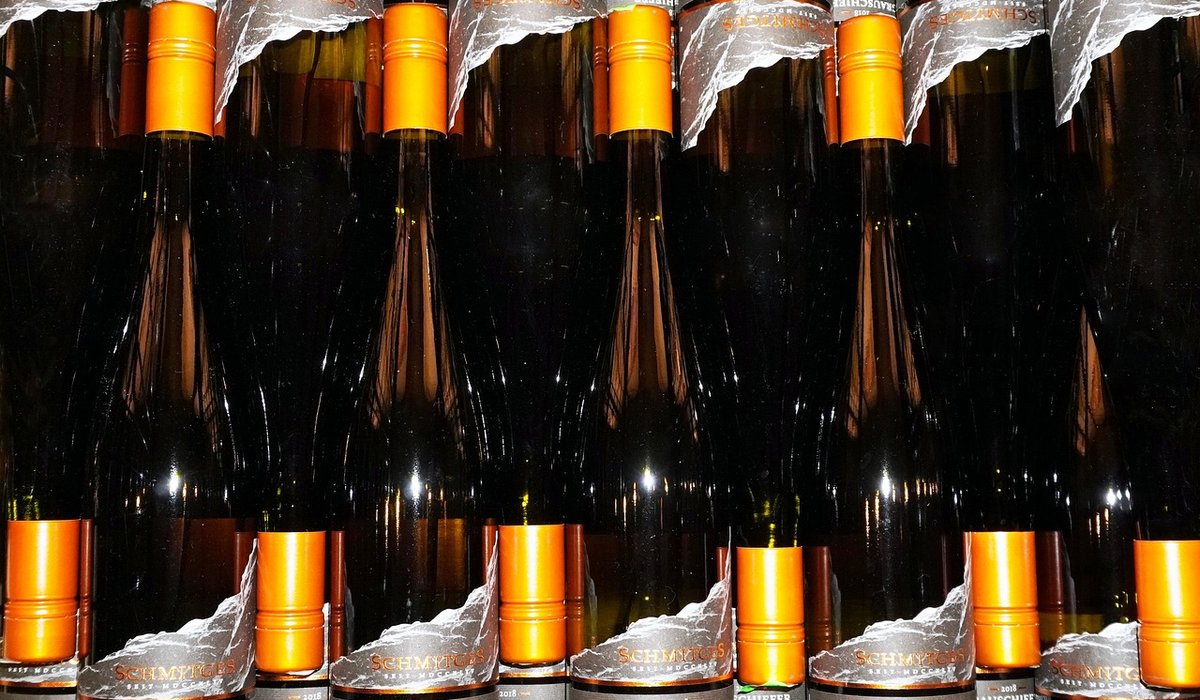
Mount Etna is Europe's most active volcano, but for wine lovers it is the slopes that matter more than the summit. The Etna DOC, established in 1968, covers a dramatic patchwork of vineyards planted on ancient lava flows and volcanic ash at altitudes between 400 and 1,100 metres. For UK drinkers accustomed to the warm, generous reds of southern Italy, Etna's wines come as a revelation: taut, mineral, and thrillingly fresh. They are wines that speak of place as clearly as any Burgundy or Barolo.
The Volcanic Terroir of Etna
What makes Etna so special? The soils are the starting point. They are composed of lava sand, ash, pumice, and scattered rocks, all poor in organic matter and rich in minerals like iron, copper, and phosphorus. This free-draining, nutrient-poor ground forces vines to struggle, producing small yields of intensely flavoured grapes. The altitude is equally important. High on the mountain, days are warm but nights are cool, sometimes cold. This diurnal range preserves acidity and aromatics, giving the wines a striking freshness. The result is a style that feels more like a cool-climate wine than a Mediterranean one. Expect pronounced minerality, a smoky or saline edge, and refined tannins.
The Reds: Nerello Mascalese and Nerello Cappuccio
Etna's reds are dominated by Nerello Mascalese, often blended with a little Nerello Cappuccio. Nerello Mascalese is a thin-skinned, late-ripening grape that can be pale in colour but is packed with flavour. Typical notes include red cherry, cranberry, dried herbs, and a distinctive volcanic smokiness. Tannins are firm but fine, and the wines age beautifully. A good Etna Rosso from a warm vintage like 2016 or 2019 will reward five to ten years in a cool, dark cupboard. For a lighter style, look for Etna Rosato, made from the same grapes, which is crisp and savoury.
The Whites: Carricante's Crisp Appeal
Etna's flagship white is Carricante, a grape capable of producing wines of remarkable tension and longevity. Young Carricante is all about citrus—lemon, lime, grapefruit—with green apple, white flowers, and a pronounced saline, almost smoky finish. With bottle age, it develops notes of honey, dried herbs, and flint. Etna Bianco is usually 100% Carricante or blended with a little Catarratto or Minnella. It is a wine that demands food; on its own it can feel austere. But with the right dish, it sings.
Food Pairing: Matching Etna's Wines with British Plates
The guiding principle is simple: match the wine's minerality and acidity with dishes that have their own savoury, salty, or herbal character. Avoid sweet sauces and heavy cream.
- Etna Bianco with seafood: Try it with grilled sea bass, crab salad, or oysters. The saline edge mirrors the brininess of shellfish. For a British twist, serve it with fish and chips—the acidity cuts through the batter beautifully.
- Etna Rosso with red meat: Roast lamb is a classic match, especially with rosemary and garlic. The wine's herbal notes echo the seasoning. Venison or roast beef also work well. For a vegetarian option, try aubergine parmigiana or a mushroom and lentil bake.
- Etna Rosato with charcuterie: Its crisp red fruit and savoury finish make it ideal with a plate of British charcuterie—think cured ham, salami, and pickles.
- Local Sicilian dishes: Pasta alla Norma (aubergine, tomato, ricotta salata) is a superb partner for Etna Rosso. Caponata, with its sweet-sour vegetables, loves the Rosato. And grilled swordfish with lemon and herbs is made for Carricante.
Vineyard Travel: A Practical Guide for UK Wine Lovers
Visiting Etna is easier than you might think. Direct flights from several UK airports to Catania take around three hours. From Catania, it is a 45-minute drive to the southern slopes or an hour to the northern slopes. Car hire is essential; the wine roads are winding and scenic.
Base yourself in Linguaglossa, Randazzo, or Zafferana Etnea. These towns have good restaurants and easy access to estates. The best time to visit is late May to June or September to October. August is hot and crowded; winter can bring snow to the higher vineyards. Book tastings in advance, as many small producers welcome visitors by appointment only. Dress in layers—altitude makes the weather changeable. And don't rush: the pleasure of Etna is in the slow pace, the lava landscapes, and the mountain's quiet power.
Bringing Etna Home
Back in the UK, you will find Etna wines at independent wine merchants and specialist online retailers. Look for the Etna DOC label and the vintage. Whites are best within five years, though top Carricante can age for a decade. Reds benefit from decanting if young. Serve whites at 10–12°C and reds at 16–18°C—slightly cooler than you might serve a Barolo. These are wines of finesse, not power, so give them room to breathe. With a plate of roast lamb or a bowl of pasta alla Norma, you can bring a little of Sicily's volcanic magic to your table.

Joeby Ragpa
This template is so awesome. I didn’t expect so many features inside. E-commerce pages are very useful, you can launch your online store in few seconds. I will rate 5 stars.
ReplyAlexander Samokhin
This template is so awesome. I didn’t expect so many features inside. E-commerce pages are very useful, you can launch your online store in few seconds. I will rate 5 stars.
ReplyChris Root
This template is so awesome. I didn’t expect so many features inside. E-commerce pages are very useful, you can launch your online store in few seconds. I will rate 5 stars.
Reply