
Decanting Young Red Wines: When It Helps and When It Doesn't

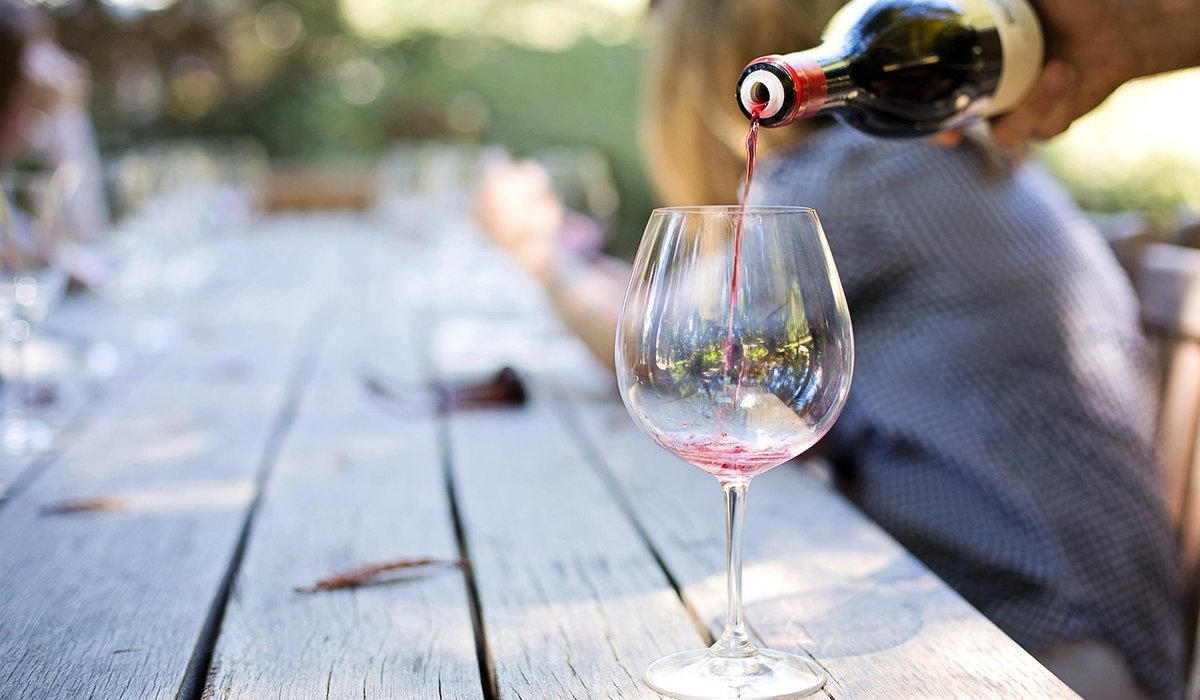
Why we decant young reds at all
Open a bottle of young Nebbiolo and you will often smell something tight, almost sullen: dried herbs, tar, the faint whiff of rubber or struck match. That is not always a fault. Many young Italian reds are bottled with a little sulphur dioxide and very little oxygen, and they need air before they show what they are. Decanting is simply the quickest way to give them that air.
Oxygen does two useful things. First, it softens tannin. Tannin molecules are large and astringent when young; exposed to air they link into longer chains that feel smoother and less drying on the gums. Second, it releases aroma, as volatile compounds locked in the liquid escape into the air above the wine. Both effects take time, and both can overshoot.
It is worth being clear about what decanting is not. It cannot add fruit or concentration to a wine that lacks them, and it will not rescue a tired or corked bottle. It is a tool, not a ritual.
When a young Italian red benefits most
Reach for a decanter when the wine is structurally big, young and built to age. Nebbiolo is the classic case: Barolo and Barbaresco at five to ten years old often need an hour or more to shed their grip. Sangiovese in its serious guises — Brunello di Montalcino, Chianti Classico Riserva — behaves similarly, as do Aglianico from Campania and Basilicata, Saguntino di Montefalco, Taurasi, and Etna Rosso from older vines. A hot-vintage Primitivo or Nero d'Avola, tasting jammy and warm, can also open up with air.
Reductive notes are another green light. If the first sniff brings rubber, burnt match or tinned cabbage, twenty to thirty minutes in a decanter will usually blow it off. Wines sealed under screw cap, or bottled with minimal oxygen, are the most prone to this.
A third signal is texture. If the wine feels as though it is wearing a coat — drying, grippy, slightly bitter on the finish — air will help it relax. If it already feels soft and rounded, leave it alone.
When decanting does more harm than good
Light, fragrant reds lose more than they gain. Dolcetto, Grignolino, Frappato, Schiava, Bardolino and lighter Valpolicella are built on perfume and fresh fruit; half an hour in a wide decanter can flatten them into something dull. The same applies to wines made by carbonic maceration, where the whole point is a juicy, raspberry-and-bubblegum freshness that oxygen quickly spoils.
There is also the question of temperature. A young red poured into a wide decanter in a warm British kitchen can gain two or three degrees in twenty minutes. At 20°C or above, alcohol starts to dominate and the wine tastes soupy. If your kitchen is warm, decant in the coolest room you have, or stand the decanter in a bowl of cold water for ten minutes.
How to decant without overdoing it
Match the shape to the job.
- A wide-bottomed decanter suits tannic wines: more surface area means faster softening.
- A narrow or medium decanter suits wines where you want to keep the aroma.
- Pour slowly and steadily, ideally through a funnel, so you do not splash the wine about.
- Rinse the original bottle if you plan to pour the wine back in — double decanting — which is handy when you are taking the wine to a restaurant or a friend's table.
As a rough guide: thirty minutes for a medium-bodied red, one to two hours for a young Barolo or Brunello, and up to three or four for a very young Sagrantino or Aglianico. Taste every twenty minutes. The wine will tell you when it is ready; there is no fixed number.
The glass is a decanter too
Most of us do not own six decanters, and most young Italian reds do not need one. A large, tulip-shaped glass and a good swirl will do much of the work, especially if you pour a small taste first, leave it fifteen minutes, then pour the rest and compare. That side-by-side check teaches you more about a wine than any instruction. If it is still tight at the table, do not panic: swirl, wait, and come back to it after the first course. Some wines — often the best ones — are still improving when the bottle is empty.
Food, travel and a little patience
Decanted or not, young Italian reds show best with food that softens them. Fat and protein blunt tannin: slow-braised beef, ragù, bistecca, aged pecorino, salty cured meats. Tomato-based pasta suits Chianti and Aglianico; a plain roast chicken is a fine partner for Etna Rosso. Avoid vinegar-heavy dressings and delicate seafood with a big young tannic red, which will make both taste worse.
If you are travelling in Italy, remember that most tasting rooms pour straight from the bottle. Ask for a small pour, wait a few minutes, then decide. Piedmont in autumn means truffles and Nebbiolo; Tuscany rewards late September and October; Etna is best in spring or early autumn, when the heat is gentler. Buying a bottle at the cellar door and drinking it the same evening is one of the great pleasures of wine travel — and also when young reds are at their most stubborn. A carafe, a cool room and half an hour of patience will make all the difference.

Joeby Ragpa
This template is so awesome. I didn’t expect so many features inside. E-commerce pages are very useful, you can launch your online store in few seconds. I will rate 5 stars.
ReplyAlexander Samokhin
This template is so awesome. I didn’t expect so many features inside. E-commerce pages are very useful, you can launch your online store in few seconds. I will rate 5 stars.
ReplyChris Root
This template is so awesome. I didn’t expect so many features inside. E-commerce pages are very useful, you can launch your online store in few seconds. I will rate 5 stars.
Reply