
Nebbiolo Explained: Structure, Perfume and Ageing Potential

Why Nebbiolo Confounds Expectations
Pour a glass of Barolo beside a young Cabernet Sauvignon and the difference is startling. The Nebbiolo is pale — often a translucent garnet with a rusty rim, looking almost like a light red or a serious rosé. Yet taste it and you are hit by a wall of structure: gripping tannin, bracing acidity and a perfume that seems to arrive before the wine does. This contradiction sits at the heart of the grape. Nebbiolo's thin skins give it its light colour and relatively modest anthocyanin content, but those same thin skins also mean the variety ripens late and builds fierce tannin in pursuit of full phenolic maturity. In Piedmont, harvest often stretches into late October, long after most of Europe has finished picking.
The name itself is thought to derive from nebbia, the fog that rolls across the Langhe hills at vintage — a romantic attribution, though the misty autumn mornings are real enough. What matters for UK drinkers is this: Nebbiolo is not a grape you serve casually. It rewards attention, patience and a little planning.
Perfume First, Fruit Second
Ask any Nebbiolo devotee what hooks them and the answer is almost always aroma. The classic descriptors are worth learning because they genuinely show up in the glass: dried rose petals, tar, red cherry, cranberry, dried herbs, liquorice, leather and — with bottle age — a savoury, earthy note often described as truffle or forest floor. In warmer vintages you may find a sweeter red fruit core; in cooler ones the floral and mineral notes dominate.
This aromatic intensity is why Nebbiolo performs so well in large-bowled glasses. A Burgundy bowl or a dedicated Nebbiolo glass gives the wine room to breathe and funnels those delicate top notes towards you. Serve it too cold and you mute the perfume; too warm and the alcohol — frequently 14% or more in modern Barolo — becomes intrusive. Aim for 16–18°C, which in a British living room usually means a short spell in the fridge in summer and simply leaving the bottle out of the kitchen in winter.
Structure: Tannin, Acid and the Case for Cellaring
Nebbiolo's ageing potential rests on three pillars, and understanding them tells you exactly which bottles to keep and which to drink now.
- Tannin: High and, in youth, often aggressively drying. These tannins polymerise over time, softening into something silky and fine. This is the single biggest reason young Barolo can taste forbidding.
- Acidity: Naturally high, even in hot vintages. It keeps the wine fresh for decades and makes Nebbiolo one of the most food-friendly reds in existence.
- Alcohol and extract: Moderate to high alcohol acts as a preservative, while the grape's concentration of flavour compounds supports long maturation.
As a rough guide, Langhe Nebbiolo — the entry-level expression — is built for drinking within three to five years. Barbaresco tends to soften a little sooner than Barolo thanks to its slightly warmer sites and sandier soils; expect a sweet spot between eight and twenty years. Barolo from a good traditional producer in a solid vintage can happily go twenty-five years or more. The wines of Alto Piemonte — Gattinara, Ghemme, Carema — and Valtellina in Lombardy offer a leaner, more mineral, sometimes more elegant interpretation, often at kinder prices.
Pairing Nebbiolo with British Cooking
The tannin and acidity demand fat, protein and umami. Nebbiolo is unforgiving of delicate fish or light salads, but it is magnificent with the sort of slow-cooked, richly sauced dishes we already love in the UK.
- Braised beef shin or short rib — the classic match, especially with a generous splash of the wine in the sauce.
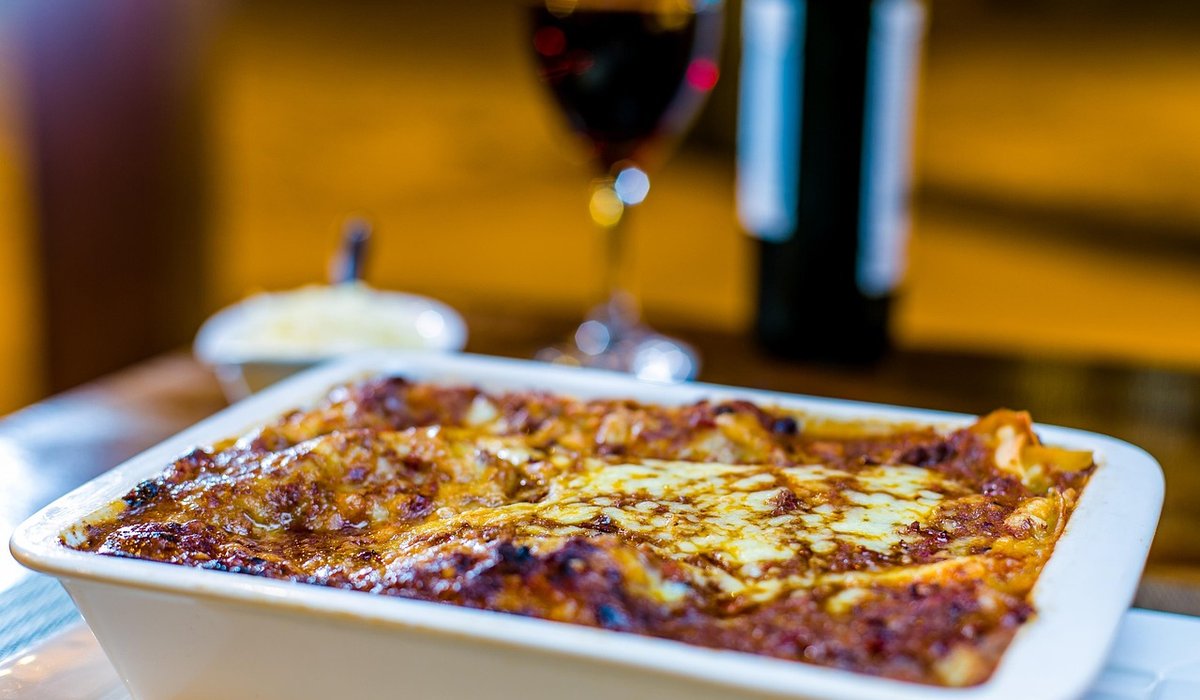
- Tajarin with a slow-cooked ragu or a rich beef ragù over pappardelle.
- Agnolotti del plin with butter and sage, or any filled pasta with a meat or cheese centre.
- Risotto — particularly one made with Barolo, or a mushroom risotto in autumn.
- Hard aged cheeses: Castelmagno, mature Parmesan, aged Pecorino. Avoid soft, bloomy rinds, which clash badly with tannin.
- Roast game — pheasant, venison or grouse, all of which have the iron-rich character that Nebbiolo seems to love.
- White truffle dishes from October to December, when Alba's truffle season overlaps beautifully with the arrival of new releases.
If you are opening a young Barolo, decant it for an hour or two, or better still open it the day before and leave it stoppered in the bottle. Nebbiolo benefits more from slow air than from a frantic swirl in a decanter.
Planning a Vineyard Trip to Piedmont
The Langhe is one of the most rewarding wine regions in Europe for UK visitors, and it is refreshingly manageable. Fly to Turin or Milan Malpensa, then take the train to Alba — the gateway town — and hire a car locally. Driving between villages is short: Barolo, La Morra, Serralunga d'Alba and Monforte in the Barolo zone; Barbaresco and Neive in the neighbouring one.
Visit in October or November for truffle season and autumn colour, or in late September to catch the harvest. Book cellar visits in advance, as family estates are small and appointments essential. Many producers charge a modest tasting fee, which is entirely reasonable. Spring is quieter and the hills are green and photogenic; summer can be hot and busy with tourists.
Beyond the Langhe, consider a day in Alto Piemonte around Gattinara and Ghemme, where the volcanic soils give a firmer, more savoury style, or make the longer journey to Valtellina in Lombardy, where Nebbiolo — known locally as Chiavennasca — grows on dramatic terraces above the Adda river. Both regions are less polished than Barolo, and all the more charming for it.
Practical Cellaring Notes
Store Nebbiolo at a steady 12–14°C, away from light and vibration. If you have no cellar, a cool cupboard or a modest wine fridge will do. Drink windows are broad, but avoid opening a serious Barolo in its awkward adolescent phase — roughly years five to ten — when the fruit has faded and the tertiary notes have not yet arrived. If you are buying to keep, look for traditional producers, good vintages and magnums where you can find them. Above all, buy a few more bottles than you think you need: Nebbiolo has a habit of disappearing faster than the cellar plan allows.

Joeby Ragpa
This template is so awesome. I didn’t expect so many features inside. E-commerce pages are very useful, you can launch your online store in few seconds. I will rate 5 stars.
ReplyAlexander Samokhin
This template is so awesome. I didn’t expect so many features inside. E-commerce pages are very useful, you can launch your online store in few seconds. I will rate 5 stars.
ReplyChris Root
This template is so awesome. I didn’t expect so many features inside. E-commerce pages are very useful, you can launch your online store in few seconds. I will rate 5 stars.
Reply